01
PANTS
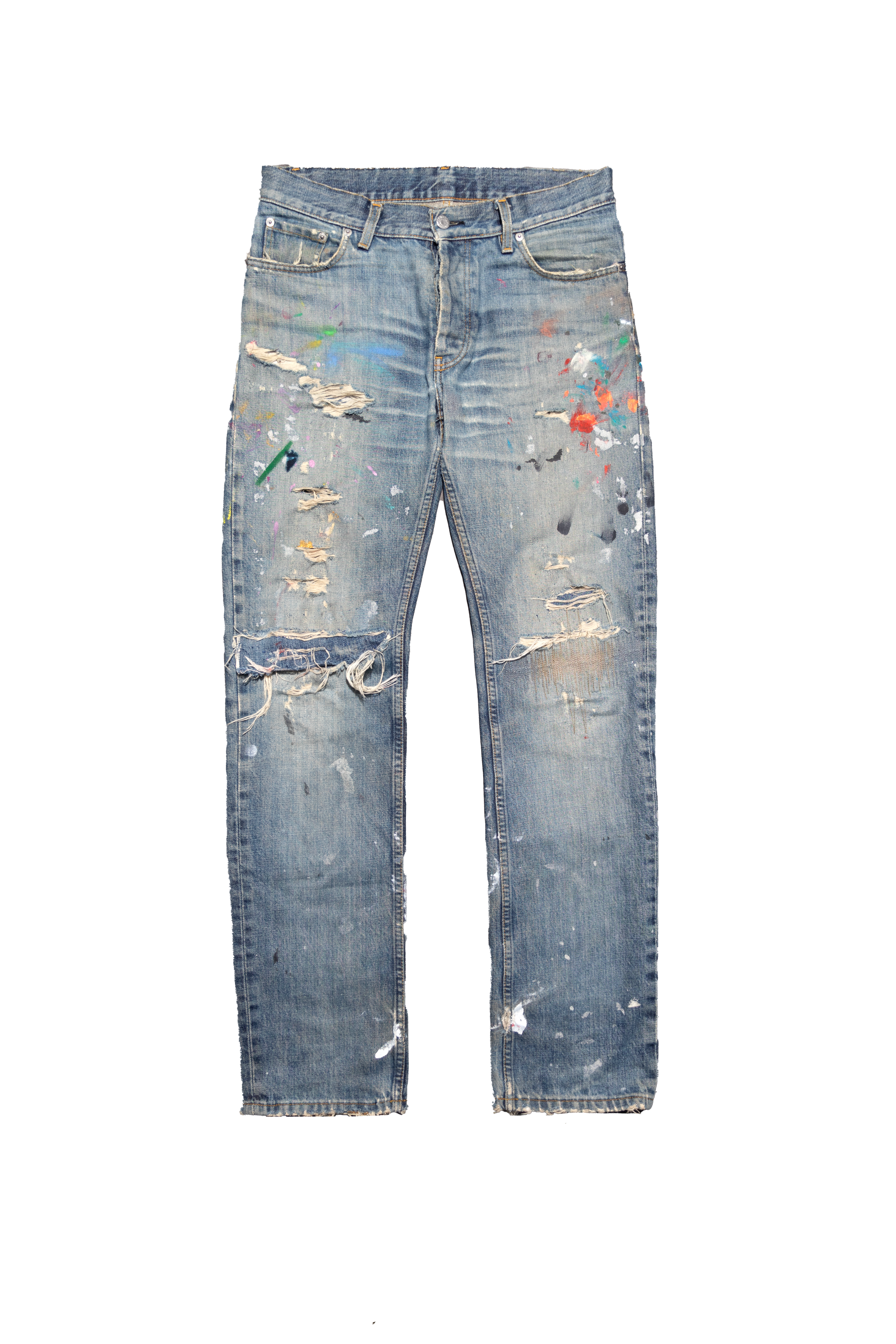
Inspecting slacks is a lot easier than shirts, but you need to be just as thorough. Slacks – or pants as most people call them – may be part of a suit or may be a stand-alone designer jean valued at $1,200 like the Kiton jeans (You will learn more about high-end brands like Kiton later). Slacks also come in unique fabrics and designs, with some fragile hardware and delicate buttons.
Remember, a thorough inspection can uncover stains, shine and existing conditions, but it can also uncover minor repairs and needed alterations. Use your inspection to promote your sewing and alteration department and keep your seamstress or tailor busy! A good drycleaner is many things to many customers.
Learn as much as you can about repairs and alterations, so you can help your customer.
02
INSPECTION
People can be rough on their clothing, so knowing the “hot spots” to inspect can save a lot of time; pockets, cuffs, inside the waistband, the zipper and the zipper area, knees and behind the knees, the seat and the stride (crotch area), belt loops, areas that need repair, stains, pre-existing conditions and discolorations.
Top to Bottom …
Lay out the slacks on the counter and look over the whole garment from top to bottom. Take it all in as your eyes and hands go from the waist to the knees and cuffs, look inside the cuffs, then flip over slacks. Let your eyes go slowly from the back cuff, up the leg to the back of the knee, the seat and back waist.
03
Creases, No Creases, and Double Creases
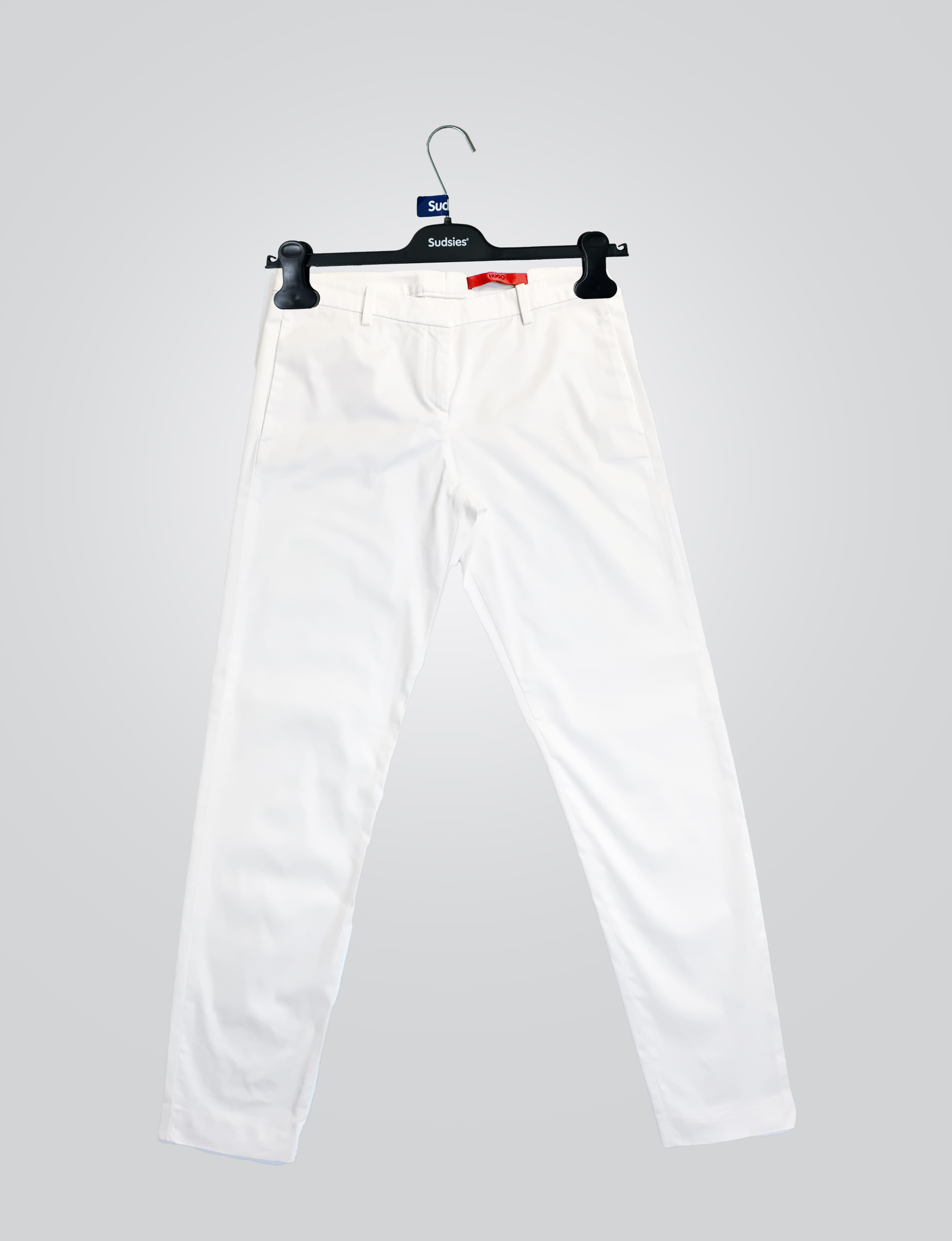
Creases present a huge challenge to dry-cleaners. Sometimes slacks are too wrinkled for you to see if they have creases. Sometimes the crease has “fallen out” from wear and cannot be seen, yet the customer wants creases put back in. Sometimes, people do not want a crease, but the presser adds one anyway! And sometimes, there are doubles creases (more than one on each leg) when there should only be one! Be sure to make a note about the double creases as a pre-existing condition.
Does the customer want the slacks hung from the waist, as many women prefer – facing front or sideways – or should the slacks be folded over the hanger, the way most men’s slacks are? Be sure to acquaint yourself with your company’s policies and then ask the customer their preference, marking the proper information on the ticket.
If you crease a delicate fabric that should not be creased or finish in an additional crease – causing a double crease – you may have a costly claim on your hands.
04
Stains
People spill coffee, soda, alcoholic drinks and squirts of mustard and ketchup. Check the knees for soil; the cuffs for mud, rain-splash and shoe polish; the back of the knees for perspiration stains – especially on khaki slacks – and the seat for whatever people sit on! Both men and women may have stains in the zipper area. For slacks that are half-lined, check inside the lining as well.
Special stains such as ink, blood, coffee, paint, urine – and almost all stains that are larger than a quarter or seem stiff – must be shown to your manager until you learn more. Those stains may require extra fees and special assessment by the “stain doctor” in the back of the plant.
Though thin ink “swipes” are common and may appear harmless, some are very difficult to remove and require a lot of work to be completely and safely removed. Consult your manager about these to learn more.
05
Pre-Existing Conditions
Remember what I said about claims and noting all conditions on the ticket; holes, tears, fraying, shine, double creases: always looking for repairs and ways to keep your sewing department busy. Even though casual slacks, jeans and khakis will show “normal” wear and fading at the knees, be sure to share these observations with the customer, noting the bad areas on the ticket.
06
Shine
Gabardine, acetate and other fabrics with sheen can become shiny from friction and consumer use and poor finishing and ironing. The seat of slacks can shine from rubbing on a chair or a car seat, and the front zipper area can become shiny from leaning against the front of a countertop. Most electric home irons can cause shine if a pressing pad is not used to protect the fabric. Low-grade shine can sometimes be improved by soft finishing and steam.
07
Color Loss and Deluster
As a rule, inspect clothing in good light and always tilt it into and away from the light. This allows you to see delustered, dull, and roughed areas where the color may have been removed by the customer. Very bad things happen to clothing when people rub stained areas with a wet napkin. Try to catch these problems during inspection, show the customer, note them on the ticket and, if possible, have the stain doctor explain the restoration process to you.
Learn as much as you can about repairs and alterations, so you can help your customer.
08
Repairs and Alterations
Jeans and khakis don’t need as much care and repair as suit slacks and better fabrics. However, they deserve the same careful inspection.
09
Pockets
Men fill their pockets with coins, pens, cell phones … and if they wear a watch, you can usually find fraying on the outer edge of the pockets, which can be repaired by tapering it. Turn the pockets inside out to see if they are frayed and need sewing or require a new half pocket.
10
Zipper & Crotch Area
As a habit, always zip up the zipper. This will tell you if it is broken or needs a wax stick to lubricate it. The customer will appreciate it. Check the stitching around the zipper, which also routinely comes loose. New zippers account for a good number of repairs. Look at the sewing below the zipper, to the crotch and up towards the seat – checking the inside lining, as well. When the area is very frayed and weak or worn out, a separate piece of fabric can be inset (a gusset). This fabric may come from the cuff area or perhaps from the jacket.
11
Waistband
Check inside for loose stitching and missing suspender buttons and around the outside for torn belt loops. If the waist is wrinkled and rolled over, there are probably some broken stitches in there somewhere. Then check the button above the zipper to see if it’s missing or needs to be tightened.
12
Cuffs and Hems
Turn the cuff and open it to check for broken stitches, especially if a “blind stitch” has been used and is starting to unravel. Although women tend to catch their heel on hems, it’s always good to routinely check all cuffs, including the “single” stitch that holds the cuff up and keeps it from flopping over.
13
Seat
Slacks split at the seat, often needing a few stitches, especially on cotton and silk fabrics, because they do not “give” and stretch like wool. It’s a minor repair, but the customer will be thankful that you checked it.
14
Holes and Tears
Men catch their pants on many more objects than women, but both genders have the same challenge when it comes to burn holes and moth holes. Burn holes usually have a hard edge around them, but moth holes are often small and harder to find. Additionally, moth holes are sometimes only partial holes waiting to get bigger during cleaning. Tears and holes should be shown to the seamstress for an estimate. Most can be repaired, and the repair is often visible, so you should discuss this with the customer. Many holes and tears can be also rewoven.
15
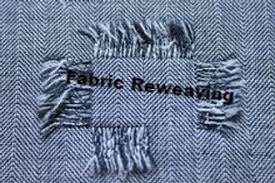
Reweaving
The reweaving process is more expensive than most repairs and is usually done by a specialist, outside your store. However, if the hole is smaller than a dime and the tear is “clean” and less than 1.5 inches, the weaving can often be “invisible.” Wool and other textured fabrics weave the best – which is good since most fine business suits are made from wool. Gabardine twill, cotton, acetate, rayon and silk present a bigger challenge to reweavers.
Note: All garments with moth holes should be cleaned, before repairing or reweaving, to make sure that all the holes have been found before spending money on even one hole. It may be a good idea to put a safety pin in the existing holes before cleaning, to know if more holes show up after cleaning.
16
Buttons and Hardware
Here is a list of buttons that should be protected or removed before cleaning; glass, solid brass, “domed” metal, shell – both thin and thick – as well as all oblong and one-of-a-kind designs. Pay special attention to very small and very large buttons, too. There may be an “up-charge” for protection or removal of these buttons. Hardware, such as buckles, zipper pulls, “screw-on” buttons, sewn-in belts, beads and dangles also may need protection or removal, before cleaning. If you remove items from the slacks, be sure to count them and note the information on the ticket, when applicable.
QUESTIONS
Frequently asked questions.
These are some of the practical questions people often ask before getting started.
What should I expect during the first session?
The first session usually begins with a short conversation about your goals, followed by the service itself and time to talk through any next steps.
Do I need to prepare anything before booking?
You usually do not need much to get started. Arrive a few minutes early, bring any relevant notes if helpful, and wear whatever feels appropriate for the setting.
How do I know which service is right for me?
If you are unsure where to begin, start with the option that feels closest to what you need now. The first session can help clarify the best direction from there.
When should I get in touch directly?
Reach out directly if you have scheduling questions, need a specific accommodation, or want to confirm that a service is the right fit before booking.