01
BLOUSES & TOPS
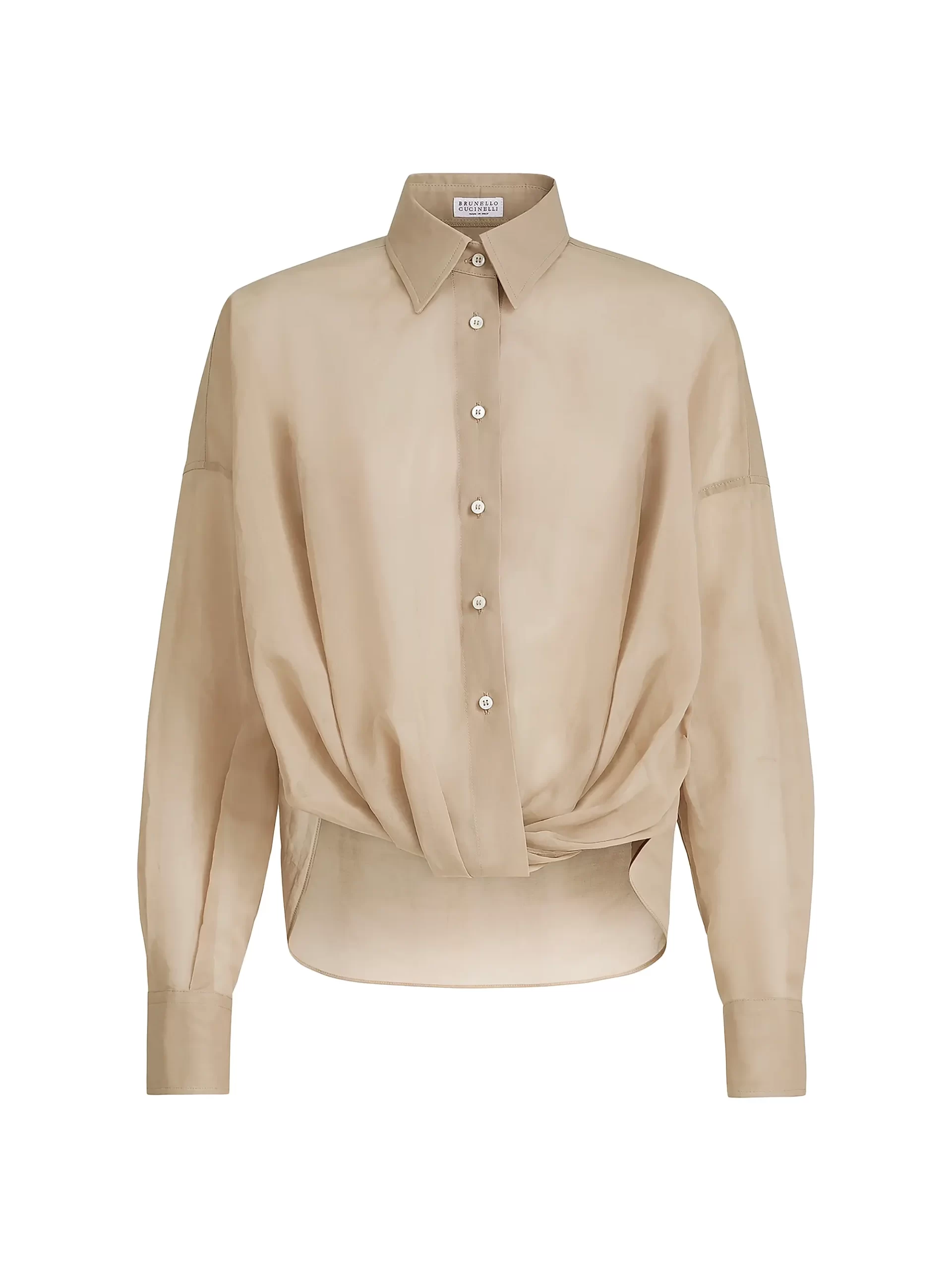
Be patient when inspecting blouses, tops, and all upper-body garments. Think about your own habits and what you do; how you iron your collars, what you do about spills, underarm stains, ring around the collar, lost or loose buttons. Many drycleaned blouses are made of silk and other fine fabrics and, depending on the designer and the fabric, they can cost thousands of dollars.
02
INSPECTION
The “hot spots” for stains on blouses are the collar, cuffs, underarms, front placket, bodice area and waist, with an occasional problem on the upper back. Buttons are always a concern, as are deluster and color loss. Inspect blouses carefully, especially fabrics such as silk, satin and velvet.
Top to Bottom …
Lay the blouse on its back. Start at the collar, go down the button strip in front, look at the left underarm and down the left sleeve, then flip the cuff. Do the same on the right side. Then flip over the blouse and check the back, with special attention to the upper back and back collar.
03
Stains and Identification
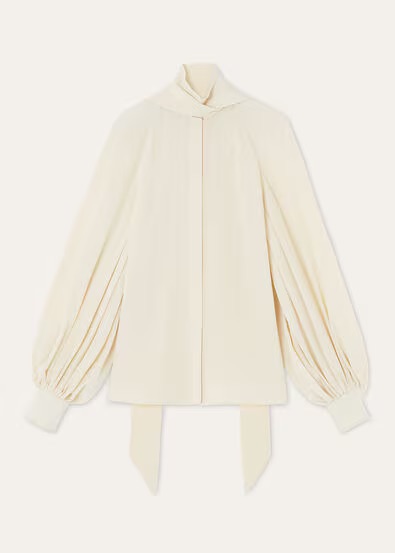
Perfume can cause stains and discoloration if it is not removed properly. You can usually smell the presence of perfume. Many perfumes contain alcohol, which can cause a white or off-white collar to yellow very quickly. Makeup must also be marked on the ticket and pre-spotted. Spills of all kinds land on the fronts of blouses, so check the upper bodice closely.
Underarm and perspiration stains are very common with thin fabrics such as silk, satin and linen. Look at the underarms closely for rings, salt stains, color loss and color change, and be sure to show this problem to the customer – but be nice about it! Tell them that it’s important to wear a silk blouse only once and to bring in the blouse at the first sign of staining.
Many women tuck blouses into a skirt or under a belt. Perspiration can wet the waist area and cause dyes to transfer from the belt or skirt onto the blouse. Food and drink spills down the front can also present a challenge. In many cases, women resort to using wet napkins to wipe stains and this rubbing action can very easily deluster, dull and remove dyes from the fabric. Again, tilt the fabric in and out of the light to see if such damage has taken place.
Hairspray and hair products can do a lot of damage to fine fabrics. If a woman applies hairspray after dressing, then it’s almost guaranteed that the shoulders of the blouse will become stained. These stains are very hard to remove from silk, satin, rayon and acetate fabrics. If you see small dots in these areas, point out the stains, ask about the origin.
Special stains such as ink, coffee – and almost all stains that are larger than a quarter or seem stiff – can be hard to remove from silk and satin blouses.
Though thin ink “swipes” are common and may appear harmless, most are very difficult to remove from fine fabrics. Consult your manager about these to learn more.
To avoid stains, recommend that hairspray, perfume and deodorant be applied and allowed to dry before dressing.
04
Stain Identification:
Most water-based stains such as soda, coffee, milk and perspiration have an outline around the outside of the stain. Most oil-based stains are absorbed into the material and do not have an outline around the outside, however,some may be absorbed and can look like a cross.
05
Sizing and Finishes
I prefer to see cotton and linen blouses worn soft, without the use of spray sizing or starch. However, that detail is left up to the customer’s discretion, as well as the discretion of your company. Blouses that have been sprayed with sizing at home may have stains – similar to the stains from hairspray – that may not be removed without extensive spotting and possible wet cleaning.
Specialty fabrics such as taffeta may require extra sizing during cleaning to give the desired body and drape.
06
Special Fabrics
Silk, satin, taffeta, washable silk, velvet, chiffon, organza and acetate need special care and attention during inspection.
Velvet is very sensitive to water, perspiration and all kinds of liquids. Look for crushed areas in the underarms, elbows, waist and back. Steaming can help, but may not completely restore the crushed areas.
07
Pre-Existing Conditions
Remember what I said about claims and noting all conditions on the ticket; holes, tears, shine, color loss and color changes. Be sure to share these observations with the customer and note the bad areas on the ticket.
08
Yarn Slippage:
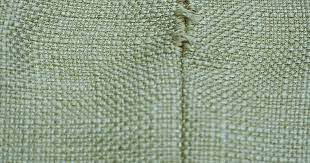
Fabrics such as silk, satin, taffeta, chiffon and organza are brittle and do not stretch. These types of fabrics, when pulled or stretched, can separate or “slip,” creating spaces between fibers so you can actually see “through” the fibers. This condition is usually seen under the arms, at the waist and upper back.
09
Color Loss and Deluster:
As a rule, inspect clothing in good light and always tilt it into and away from the light. This allows you to see delustered, dull, and roughed areas where the color may have been removed by the customer. Very bad things happen to clothing when people rub stained areas with a wet napkin. Try to catch these problems during inspection, show the customer, note them on the ticket, and learn what your company can do to improve the affected area.
10
Buttons and Hardware
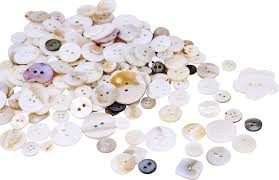
Buttons can make a blouse. Fancy blouses are often adorned with amazing and beautiful buttons, many of which are very fragile and definitely require protection or removal before cleaning; mother of pearl, glass, inlaid, wood, painted and fabric-wound, and many uniquely shaped buttons.
Look over these buttons very closely and think about buttons on designer blouses; Chanel (with the CC), Gucci, Armani and others. Some buttons are glued, some are held together by wax and can unravel, and some chip and break like glass. Here are some pictures that illustrate the problems listed above:
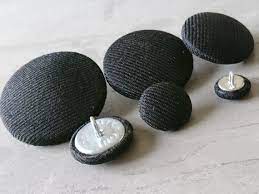
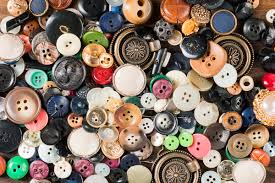
Hardware, such as buckles, zipper pulls, beads, crystals and dangles also may need protection or removal before cleaning. If you remove items from blouses, be sure to count them and note the information on the ticket, when applicable.
QUESTIONS
Frequently asked questions.
These are some of the practical questions people often ask before getting started.
What should I expect during the first session?
The first session usually begins with a short conversation about your goals, followed by the service itself and time to talk through any next steps.
Do I need to prepare anything before booking?
You usually do not need much to get started. Arrive a few minutes early, bring any relevant notes if helpful, and wear whatever feels appropriate for the setting.
How do I know which service is right for me?
If you are unsure where to begin, start with the option that feels closest to what you need now. The first session can help clarify the best direction from there.
When should I get in touch directly?
Reach out directly if you have scheduling questions, need a specific accommodation, or want to confirm that a service is the right fit before booking.