01
Coat Inspection & Care Training
Coats are one of the most detailed garments processed in garment care because they are often made with heavier fabrics, layered construction, linings, trims, and specialty materials. Proper inspection and handling are extremely important to ensure quality results and avoid damage during cleaning.
02
Initial Inspection
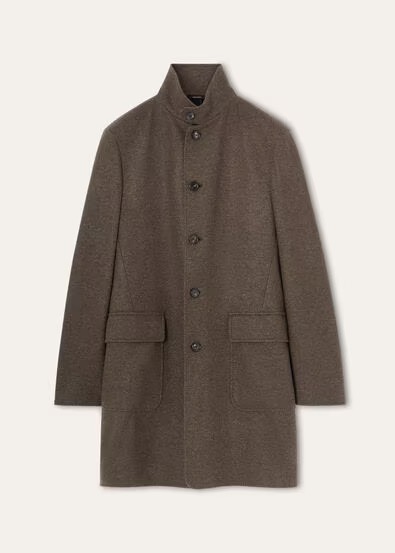
When inspecting a coat, always begin by laying the garment flat or hanging it properly to view the entire piece. Carefully examine the collar, cuffs, sleeves, pockets, front placket, hem, and underarm areas, as these are the most common areas for soil, oils, makeup, and wear. Check for stains, discoloration, missing buttons, loose seams, tears, worn fabric, or damaged zippers before processing.
03
Fabric & Material Identification
Always identify the coat’s fabric content and read the care label before cleaning. Coats may be made from wool, cashmere, cotton, down, leather trim, suede accents, synthetic blends, or specialty materials. Certain fabrics require specialized cleaning methods, lower temperatures, or delicate finishing techniques.
04
Trim & Detail Inspection
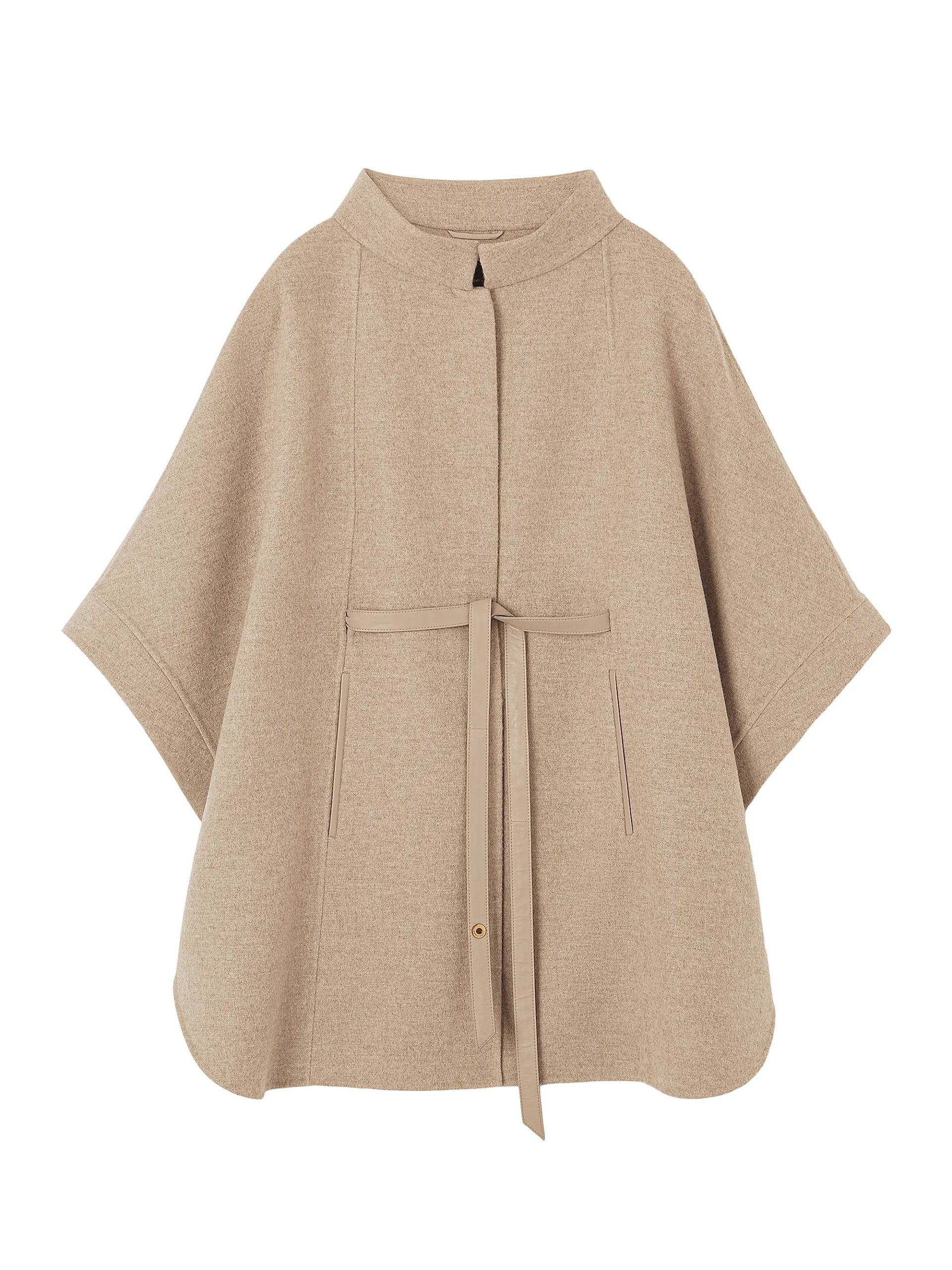
Pay close attention to decorative elements such as belts, fur trim, shoulder pads, embroidery, sequins, waterproof coatings, or metal hardware. These details may require protection during cleaning or special handling during finishing.
05
Pocket & Interior Check
Inspect all pockets thoroughly for personal belongings such as keys, money, jewelry, receipts, or tissues. Also inspect the interior lining for damage, perspiration marks, or hidden staining that may not be visible from the outside.
06
Stain Identification & Pre-Spotting
Identify stains before cleaning whenever possible. Common coat stains include makeup, food, oils, dirt, rain marks, salt lines, and beverage spills. Proper pre-spotting helps improve stain removal results and reduces the chance of stains setting during cleaning.
07
Cleaning Method Selection
The cleaning method should always match the garment’s fabric and construction:
- Dry cleaning is commonly used for wool, cashmere, and structured coats.
- Wet cleaning may be used for select washable garments requiring gentle care.
- Specialty or couture cleaning may be necessary for luxury or delicate coats.
08
Finishing & Quality Control
After cleaning, coats must be carefully finished using the proper steam, finishing, and shaping techniques to maintain structure and appearance. Final inspection should ensure the garment is clean, properly pressed, free of stains, and fully assembled with all buttons, belts, and trims intact before packaging.
09
Key Training Reminder
Every coat should be treated as a high-value garment. Proper inspection, communication, and attention to detail help prevent damage, improve customer satisfaction, and maintain Sudsies’ quality standards.
QUESTIONS
Frequently asked questions.
These are some of the practical questions people often ask before getting started.
What should I expect during the first session?
The first session usually begins with a short conversation about your goals, followed by the service itself and time to talk through any next steps.
Do I need to prepare anything before booking?
You usually do not need much to get started. Arrive a few minutes early, bring any relevant notes if helpful, and wear whatever feels appropriate for the setting.
How do I know which service is right for me?
If you are unsure where to begin, start with the option that feels closest to what you need now. The first session can help clarify the best direction from there.
When should I get in touch directly?
Reach out directly if you have scheduling questions, need a specific accommodation, or want to confirm that a service is the right fit before booking.