01
SWEATERS
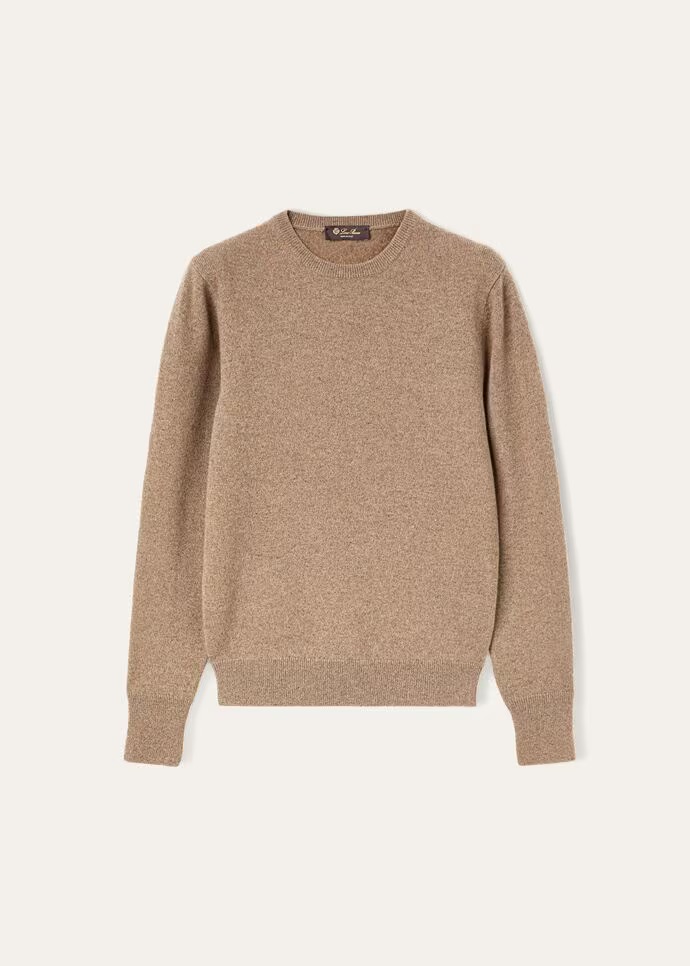
Sweaters can have all kinds of interesting problems and opportunities for your technicians, pressers and seamstresses. Different fabrics present different issues. The construction and trims can also present issues. With new fibers and dyes, some sweaters can be wetcleaned, while others will definitely require drycleaning. Some sweaters may even require extensive hand spotting and hand cleaning.
Sweaters, like silk blouses, can be very expensive and very fragile. Most people wear sweaters more than once before cleaning. In some cases, sweaters are worn for the whole season without cleaning … sometimes even two seasons, which is just asking for problems. Sweaters are usually dry cleaned, depending on the fabric and construction. However, Wetcleaning (professional washing) can remove many water-based stains and large spills.
02
INSPECTION
The “hot spots” for stains are inside the neck, sleeves, down the front and, specifically inside and around the cuffs. The waistband, neck and cuffs can stretch out of shape; snags can be an issue with silk knits, rayon knits, cotton and chenille; holes from insect damage and sharp objects; and pill balls, which affect most sweaters at some point.
Top to Bottom …
Lay the sweater on its back. Start at the collar — inside and out — go down the front, follow the sleeves — from the shoulder to the cuffs — and then look at the cuffs, turning them inside out. (Cuffs can get very soiled and always need extra attention.) Flip over the sweater and look at the back, top to bottom. You should be thinking about stains, snags, shape, color loss and holes.
03
Stains and Identification
Food stains tend to stick to the fuzzy nap, sometimes working their way into the depth of the yarns, so be sure to move slowly as you inspect for stains. Many crusty stains stick to the top of the nap, especially on mohair, angora and cashmere fabrics. On sweaters with prints, designs and busy colors, be sure to mark the stained area with red tape – if your company uses it.
On light-colored sweaters you may see yellow and brown spots from food and drink spills. Water-based stains may have an outline around them and oily stains will look “wicked” or absorbed, with no outline. Remember, yellow and brown stains can be stubborn and are often a sign of permanence. Wool and silk sweaters cannot be spotted or bleached the way cotton and linen can. Liquid spills and sauces can become absorbed into the fibers, so look closely and be aware that some dark stains do not come out, especially from cotton-knit sweaters.
Stains from underarm perspiration are not that much of a problem because sweaters are rarely worn next to the body, without a shirt. But, it’s best to inspect the area anyway. The biggest problem is the underarm odor and sometimes you can even smell it. Silk-knit and rayon knit sweaters have the most odor problems. Wetcleaning removes most body odors, however, rayon and silk knit may still smell even after wetcleaning.
Perfume and cologne can also stain the neck and wrist. Look for yellow discoloration in the neck on light colors and look for a “color change” on dark colors – which sometimes has a red or purple tinge.
Ink, paint, mustard, red wine, coffee, blood and other colored stains can be very difficult to remove and may require an extra fee, so be on the lookout for these special stains.
04
Special Fabrics: Beaded, Sequined & Embellished Sweaters
Beaded and sequined sweaters are not usually cleaned or washed as often as they should be. People believe that cleaning will be expensive and problematic because of the beads and trims. In some cases, they’re right! It takes more skill and time to clean these items without damaging the trims. When sweaters are worn two, three, and four times without cleaning, soil and yellowing can become very hard to remove – layers on layers of soil. Pay special attention to oil and make-up inside the neck, yellow stains on the front, and heavy soil on the cuffs.
05
Pre-Existing Conditions
Sweaters suffer from snags, old stains, stretched neck, waist and sleeves, color loss, color changes and holes. Trims, buttons, sequins and beads may be broken, faded, chipped and missing. Remember, claims can be costly (the money and the customer goodwill), so be sure to share these observations with the customer and to note the bad areas on the ticket.
06
Pilling
Sweaters form small pill-balls from friction; from sleeves that rub along the body as people walk; from rubbing against textured furniture; from the agitation in the washing machine. Pills can also come from a man’s five o’clock shadow (heavy stubble on the beard) … The question is, what can your cleaner do to improve or remove them.
The finishers and production staff can “de-pill” most sweaters fabrics, whenever they see pills. However, every time pills are removed, the fabric thins. Be sure to inspect for pills, show them to the customer, and assure them that the sweater will be de-pilled – but only as much as is safe and reasonable, without causing snags or severe thinning. Again, check with your supervisor about your company’s policies and processes.
07
Repairs & Alterations
Cotton knit sweaters have a tendency to “break” yarns because they do not stretch, so they may have to be repaired or “pulled through” the surface of the garment. Snags on thinner sweater fabrics such as merino, rayon and silk knit are not as easy to repair and sometimes cannot be repaired. These snags can come from a sharp object or a jagged fingernail.
08
Holes
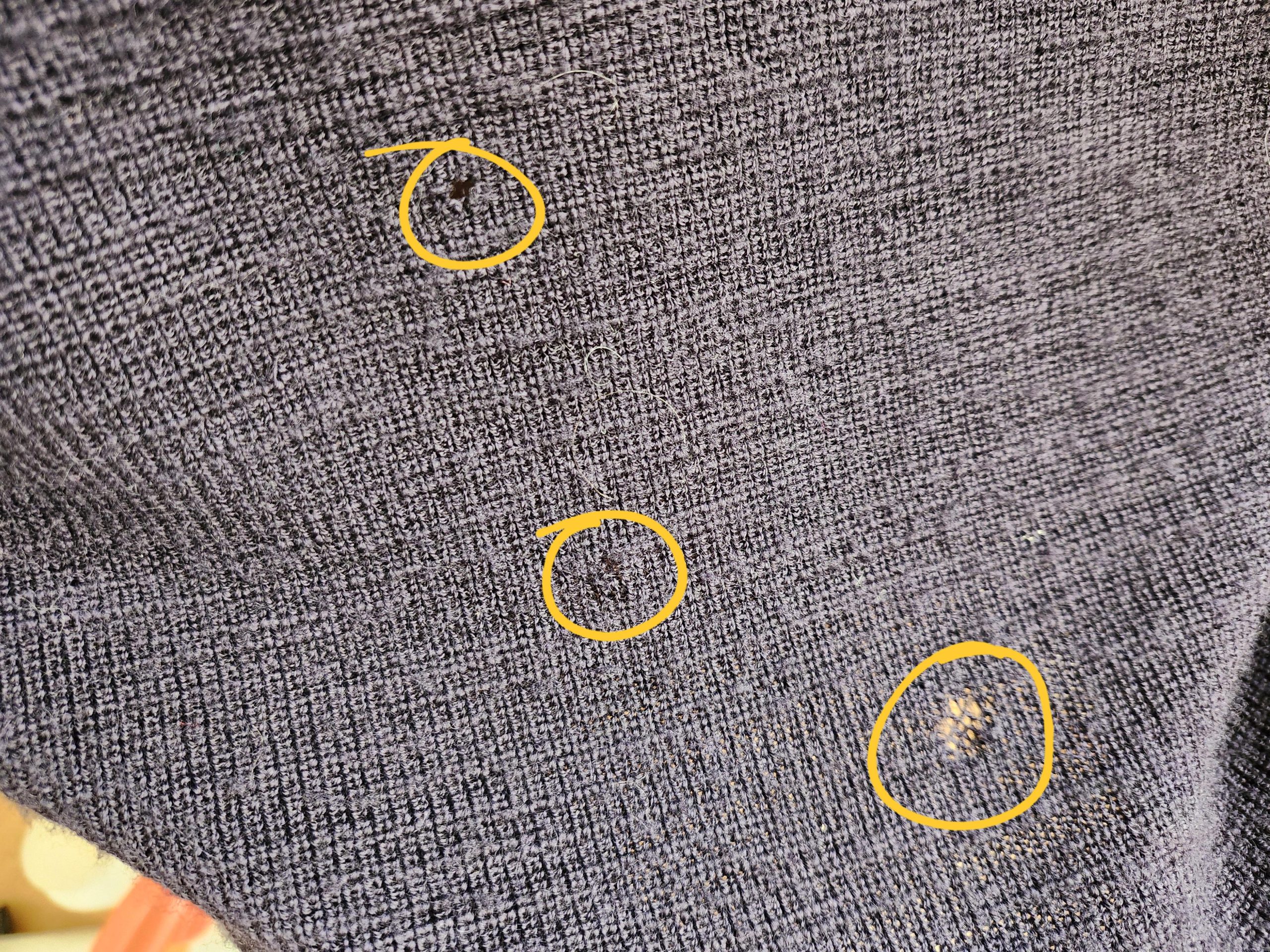
Holes are another common problem. Holes can come from a cigarette burn, a sharp object, or from insect damage. Holes are tricky and sometimes difficult to repair on sweaters. They can be fixed by using yarns from the inseam of the sweater, which usually produces the best finish. It’s sometimes called re-kitting. If there are no available yarns, and the hole is very small, it can be repaired with a like-colored thread.
Holes from insects come in different shapes. The fabric may be partially “eaten,” which means that just a few fibers are missing. Hold the sweater up to the light to see all the broken or missing fibers. If there are more than one or two holes, then put a safety pin in the obvious holes, clean the sweater, and then re-inspect it to see if more holes show up. This way, the customer does not spend money to fix two holes only to find that three more show up.
Inspect the waist elastic, as well. If the waist is stretched out, your seamstress can use round or flat elastic fix it. All of these repairs drive business to your sewing department.
09
Steaming, Blocking, Shaping
Sweaters that have stretched can sometimes be steamed and blocked smaller, but it’s not an easy fix. Sweaters that have shrunk can sometimes be steamed and blocked larger. This is an easier fix. Be sure to mention this option to customers in need. The neck, waist, sleeves and cuffs can sometimes be “pinched” and tightened with steam. There may be an extra charge for this hands-on service, so check with your manager.
Chenille sweaters loose their shape very easily. Sleeves, bodies and waistbands can stretch from normal wear and sometimes from cleaning, and cannot be blocked back to shape easily. Be sure to check with your manager about this and ask to see samples.
10
Buttons and Hardware
Buttons, crystals, beads, sequins, and zippers require extra attention, and provide a great opportunity to help your customer and to bring money to your sewing department.
- Cracked, chipped, faded and missing buttons
- “Clouded” or glazed crystals, chips, loss of finish
- Beads can be loose, faded or missing
- Sequins can be curled, faded and missing finish
- Zippers can be broken, and zipper “pulls” (handles) may be missing or require removal before cleaning.
11
Storage Tips
People often wear sweaters a number of times during the season without cleaning them. In fact, many sweaters are not even cleaned after the season. This practice can attract insects. Moths and crickets are attracted to food, body oil and perspiration. If a sweater is left untreated, it can become “insect bait.”
If a sweater is worn only once – even for 10 minutes – it should still be cleaned before storing for the season. Be sure to share this care tip with your customers. They will appreciate the advice.
QUESTIONS
Frequently asked questions.
These are some of the practical questions people often ask before getting started.
What should I expect during the first session?
The first session usually begins with a short conversation about your goals, followed by the service itself and time to talk through any next steps.
Do I need to prepare anything before booking?
You usually do not need much to get started. Arrive a few minutes early, bring any relevant notes if helpful, and wear whatever feels appropriate for the setting.
How do I know which service is right for me?
If you are unsure where to begin, start with the option that feels closest to what you need now. The first session can help clarify the best direction from there.
When should I get in touch directly?
Reach out directly if you have scheduling questions, need a specific accommodation, or want to confirm that a service is the right fit before booking.